The gut microbiota–intestinal barrier–endotoxemia axis in insulin resistance: A systematic review
DOI:
https://doi.org/10.48797/sl.2026.422Keywords:
PosterAbstract
Background: Insulin resistance is a key feature of metabolic disorders such as obesity and type 2 diabetes [1]. Increasing evidence supports a key role of the gut microbiota–intestinal permeability–metabolic endotoxemia axis in metabolic dysfunction, linking microbial dysbiosis with systemic inflammation and impaired glucose homeostasis [2,3]. Objective: To understand the relationship between the gut microbiome, the intestinal permeability and metabolic endotoxemia in the development of obesity and insulin resistance. Methods: This systematic review followed PRISMA 2020 guidelines. A literature search was conducted in PubMed and Embase using keywords related to gut microbiota, intestinal permeability, endotoxemia, and insulin resistance. Studies involving adult humans that assessed these exposures and insulin resistance outcomes were included, while animal studies, reviews, and articles lacking quantitative data were excluded. After screening 1,511 records, 19 studies were included in the qualitative synthesis.Results: Alterations in gut microbiota composition were consistently associated with insulin resistance and metabolic dysfunction. Dysbiosis was characterized by reduced microbial diversity, depletion of butyrate-producing taxa (e.g., Faecalibacterium, Roseburia), and expansion of Pseudomonadota, contributing to increased lipopolysaccharide-mediated inflammation. Functional changes in microbial metabolic pathways, especially those related to carbohydrate metabolism, were also linked to dysregulated host metabolism. Increased intestinal permeability was associated with translocation of bacterial components, notably lipopolysaccharide, contributing to metabolic endotoxemia and chronic low-grade inflammation. These processes interfere with insulin signaling pathways and promote metabolic dysfunction. Interventions targeting gut microbiota show potential metabolic benefits, although evidence remains limited.Interventional studies targeting the microbiota, including fecal microbiota transplantation and symbiotic supplementation, showed improvements in metabolic parameters, although evidence remains limited. Conclusions: The available evidence supports an integrated role of the gut microbiota–intestinal barrier–metabolic endotoxemia axis in the development of insulin resistance. While causal relationships require further clarification, modulation of the gut microbiome represents a promising target for therapeutic strategies aimed at improving metabolic health.
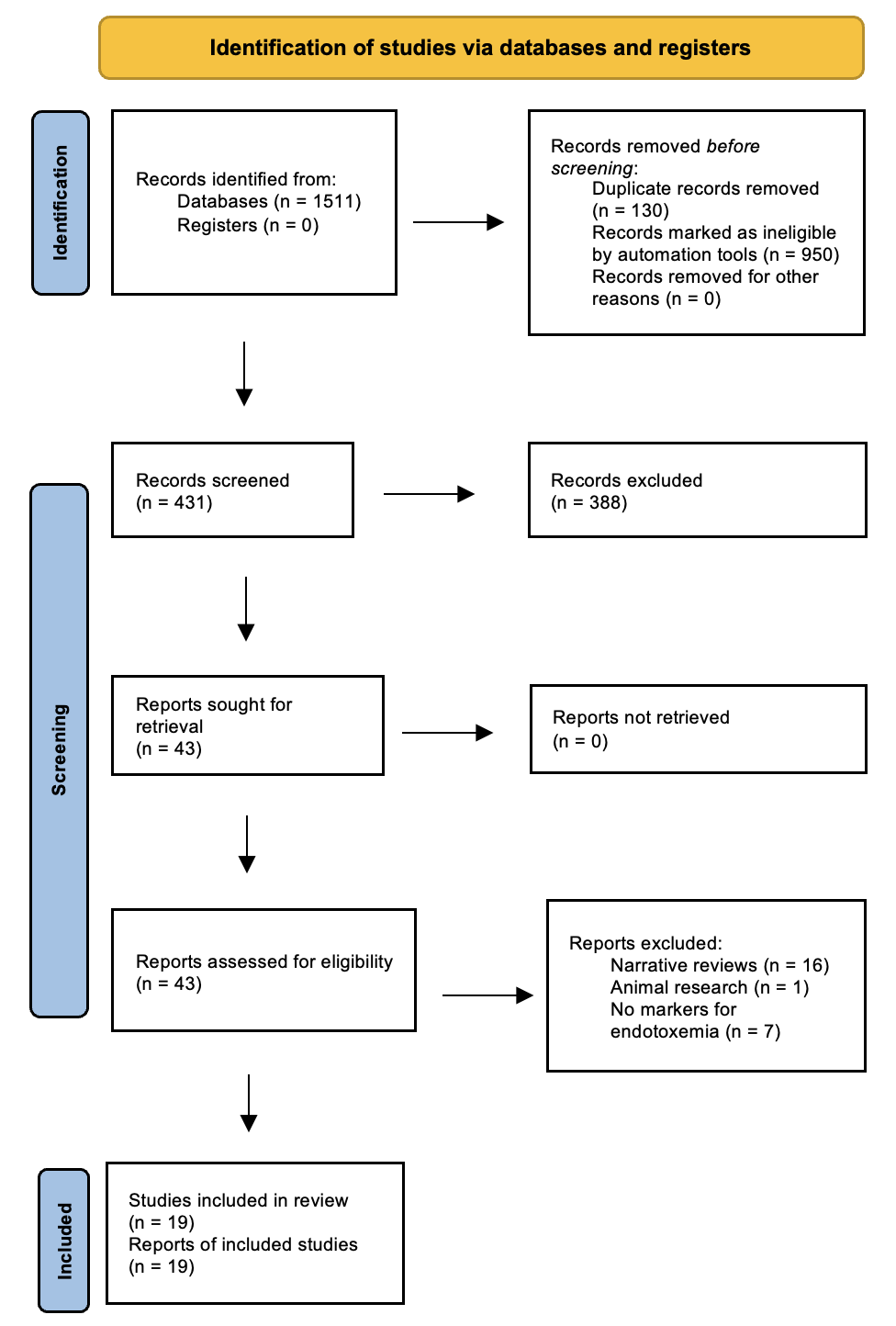
Figure 1. PRISMA 2020 flow diagram illustrating the study selection process for the systematic review, including database searching (PubMed and Embase), screening, eligibility assessment, and final inclusion of studies (n=19).
References
1. Gomes, A.C. et al. The Human Gut Microbiota: Metabolism and Perspective in Obesity. Gut Microbes 2018, 9(4), 308–325, doi:10.1080/19490976.2018.1465157.
2. Crudele, L. et al. Gut Microbiota in the Pathogenesis and Therapeutic Approaches of Diabetes. EBioMedicine 2023, 97, 104821, doi:10.1016/j.ebiom.2023.104821.
3. Wu, J. et al. The Role of the Gut Microbiome and Its Metabolites in Metabolic Diseases. Protein and Cell 2021, 12, 360–373, doi:10.1007/s13238-020-00814-7.
Downloads
Published
How to Cite
Issue
Section
License
Copyright (c) 2026 Lucas D'Ippolito, Manuel Gomes, Ana R. Freitas

This work is licensed under a Creative Commons Attribution 4.0 International License.
In Scientific Letters, articles are published under a CC-BY license (Creative Commons Attribution 4.0 International License), the most open license available. The users can share (copy and redistribute the material in any medium or format) and adapt (remix, transform, and build upon the material for any purpose, even commercially), as long as they give appropriate credit, provide a link to the license, and indicate if changes were made (read the full text of the license terms and conditions of use).
The author is the owner of the copyright.